hurom

Cold Press Juicer

How to Choose the Best Cold Press Juicer in India in 2026

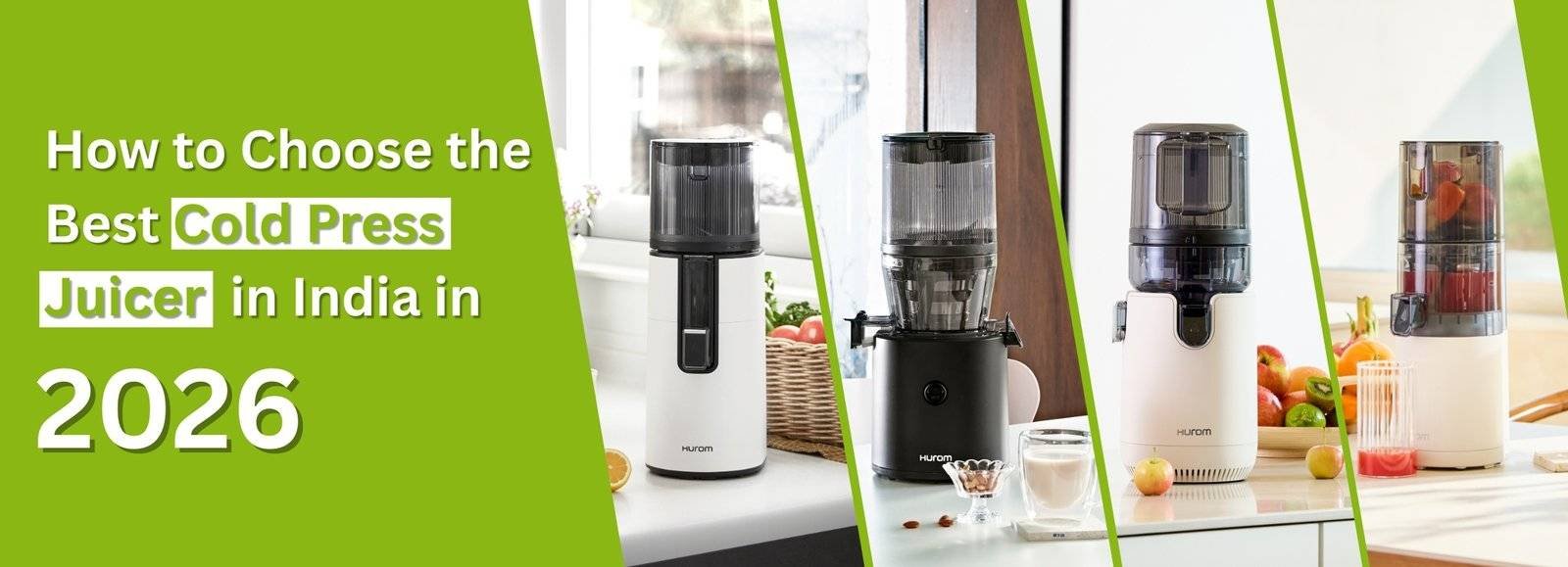
How to Choose the Best Cold Press Juicer in India in 2026? In India, fresh juice is becoming a vital component of a healthy lifestyle. Many people are switching from sugary packaged drinks to cold-pressed juices made from fresh fruits and vegetables as they become more conscious of nutrition. The need for the best cold press juicer in India has grown as a result of the growing trend toward natural and clean eating. However, selecting the best juicer for home can be challenging due to the wide range of options on the market. The technologies, features, and performance levels of various machines vary. You can select a juicer that suits your lifestyle and health objectives by being aware of how cold press juicers operate and what makes them efficient. What is a Cold Press Juicer? Instead of using rapidly spinning blades to extract juice, a premium cold press juicer—also referred to as a slow juicer—uses a gentle pressing technique. The device slowly crushes and squeezes fruits and vegetables to extract juice using a revolving auger. The process generates less heat and decreases oxidation because it runs at a slower speed. Important nutrients like vitamins, enzymes, and antioxidants are preserved as a result. Because of this, cold-pressed juices frequently have more flavor and nutrients than juice from conventional high-speed juicers. The juice’s texture is another obvious distinction. Cold press juicers typically produce smoother, less foamy, and longer-lasting juice. The Reasons Behind India’s Growing Interest in Cold Press Juicers In recent years, India has seen a sharp increase in demand for cold press juicers. The growing awareness of natural nutrition and healthy eating is one of the main causes. Preservatives, artificial flavors, and added sugar are common in packaged juices. People can enjoy drinks made entirely from fresh produce and have control over the ingredients when they make juice at home. Additionally, users of cold press juicers can mix various fruits, vegetables, and herbs to make nutrient-dense drinks. Families will find it easier to eat more fruits and vegetables each day as a result. Cold press juicers are becoming a standard kitchen appliance as more people prioritize health, fitness, and clean eating. Important Features of Cold Press Juicers The way cold press juicers extract juice while preserving ingredient quality makes them unique. Improved Preservation of Nutrients Delicate nutrients that could be harmed by heat and friction are shielded by the gradual extraction process. Thus, more vitamins, antioxidants, and natural enzymes are retained in cold-pressed juices. Increased Juice Production The capacity of cold press juicers to extract more juice from the same ingredients is one of their main benefits. Fruits and vegetables are completely squeezed by the slow pressing mechanism, leaving behind drier pulp. Better Texture and Taste In India, juice produced with a cold press juicer typically has a smoother texture and a richer flavor. It separates more slowly and has less foam, which prolongs the flavor’s freshness. Silent Operation Cold press juicers are more suitable for daily use because they run more quietly than traditional juicers, which can be noisy. Benefits of Buying a Cold Press Juicer For individuals and families who wish to maintain a healthier lifestyle, purchasing a cold press juicer can have a number of long-term advantages. First, by making fresh juice readily available at home, it promotes healthier habits. People can make natural juices whenever they want instead of depending on processed beverages. Second, using a juicer gives you total control over the ingredients. When making your own juice blends, you can stay away from artificial additives, added sugars, and preservatives. Increasing consumption of fruits and vegetables is another benefit. Including nutrient-dense foods like carrots, beetroot, spinach, cucumber, and apples in your daily diet is made easier by juicing. Lastly, producing juice at home can result in long-term cost savings. A juicer lets you make several servings of fresh produce, whereas fresh cold-pressed juice from cafes or juice bars can be pricey. Also Read: Easy Cold Pressed Juice Recipes for Beginners More than a Juicer – Hurom Cold Press Juicers With advanced slow juicing technology, appliances like Hurom juicers (world’s no.1 slow juicer brand since 1974) allow you to prepare not just fresh juices but also smoothies, nut milk, and even frozen fruit sorbets—all in one machine. The adaptability of contemporary cold press juicers is one of their best qualities. Juice production is not the only use for these appliances. Smoothies, plant-based nut milk, frozen fruit desserts, and cool sorbets can all be made with a variety of sophisticated juicers. Almond milk, cashew milk, fruit-based smoothies, and nutritious frozen treats can all be made with the correct ingredients. A cold press juicer’s versatility increases its value in the kitchen. You can make a range of nutrient-dense drinks and desserts with just one machine rather than buying separate appliances for each recipe. Many people view a cold press juicer as more than just a juice maker because of its versatility. How to Choose India’s Finest Cold Press Juicer A number of practical considerations should be made when choosing the best cold press juicer in India. One of the most crucial aspects is low RPM technology, which guarantees gentle extraction and improved nutrient preservation. Handling tough ingredients like carrots, beetroot, and leafy greens also requires a strong motor. Juice yield is another crucial component. You can get more out of your fruits and vegetables by using efficient juicers, which extract more juice while cutting down on waste. Another important factor is cleaning ease. Daily juicing is made easier with juicers that are easy to put together and clean. Lastly, selecting a reputable brand with long-lasting construction guarantees that the juicer will continue to function well for many years. Conclusion The process of making fresh juice at home has been revolutionized by cold press juicers. Compared to conventional juicers, their slow extraction process preserves nutrients, improves flavor, and yields higher-quality juice. Cold press juicers provide many advantages beyond simple juicing, including improved nutrition, increased juice yield, and the capacity
Read more
Slow Juicing Hurom

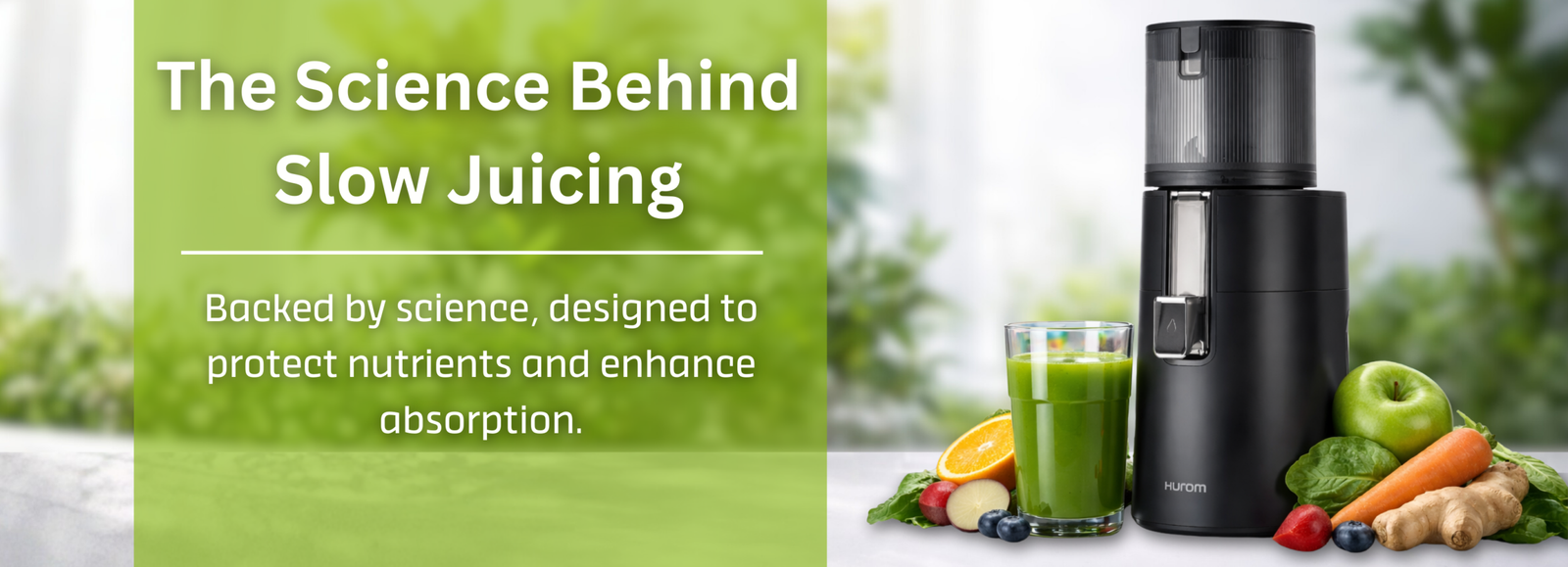
The Science Behind Slow Juicing and Why It’s Better for You

The Science Behind Slow Juicing and Why It’s Better for You Juicing isn’t just about turning fruits and vegetables into liquid—it’s about how effectively your body can absorb the nutrition inside them. While fast, high-speed juicers may seem convenient, modern nutrition science increasingly supports slow juicing as the superior method. Understanding the science of slow juicing explains why this approach delivers better taste, higher nutrient retention, and long-term health benefits. Let’s explore what really happens at a cellular level during juicing, the proven benefits of slow juicing, and why slow juicing is better than fast juicing—especially when done with advanced cold press technology like Hurom. The Science of Slow Juicing: What Makes It Different? Slow juicing (also known as cold press or masticating juicing) uses a low-RPM auger to gently crush and press produce. This process mimics traditional hand-pressing rather than aggressive mechanical shredding. Scientifically, this matters because: Heat accelerates vitamin degradation, especially vitamin C and antioxidants Oxygen exposure triggers oxidation, reducing nutritional value Plant enzymes are heat-sensitive and easily destroyed Slow juicing reduces heat and oxygen exposure, preserving the natural molecular integrity of vitamins, enzymes, and antioxidants. This principle forms the core of the science of slow juicing—keeping nutrients intact so your body can absorb and use them effectively. # Factor Slow Juicing Fast Juicing 1 Operating speed Low RPM High RPM 2 Heat generation Minimal High 3 Oxidation Low High 4 Enzyme preservation Excellent Poor 5 Juice texture Smooth, dense Frothy, airy 6 Nutrient stability High Reduced From a nutritional standpoint, slow juicing vs fast juicing is a clear contrast between preservation and degradation. Benefits of Slow Juicing Backed by Nutrition Science 1. Superior Nutrient Retention Slow juicing preserves heat-sensitive vitamins, antioxidants, and phytonutrients that support immunity, metabolism, and cellular repair. 2. Better Enzyme Activity Enzymes aid digestion and nutrient absorption. Because slow juicing avoids heat, these enzymes remain active, making juice easier on the digestive system. 3. Reduced Oxidative Stress Lower oxidation means juice stays fresh longer and retains its natural color, flavor, and nutritional integrity. 4. Improved Mineral Bioavailability Slow extraction breaks down fibrous plant cells more efficiently, releasing minerals like iron, magnesium, and potassium in a form your body absorbs better. These are the real, measurable benefits of slow juicing—not just marketing claims. Why Slow Juicing Is Better for Digestion & Daily Health Digestive efficiency is often overlooked in juicing conversations. Juice made through slow extraction: Is smoother and less irritating to the gut Requires less digestive effort Supports stable energy levels when paired with vegetables This is why nutritionists often recommend slow juicing for: Daily wellness routines Detox programs Diabetic and gut-sensitive individuals Scientifically and practically, this is why slow juicing is better for consistent, long-term health. Why Hurom Sets the Gold Standard in Slow Juicing Hurom pioneered Slow Squeeze Technology®, designed to replicate the traditional hand-pressing method while maximizing efficiency. Why Hurom stands out scientifically: Optimized low-RPM extraction to minimize oxidation Designed for consistent pressure and smooth juice flow Excellent performance with leafy greens, fruits, and fibrous vegetables Juice with higher nutrient stability and superior taste When you choose Hurom, you’re not just buying a juicer—you’re investing in technology built around the science of slow juicing. Conclusion Slow juicing isn’t a trend—it’s a scientifically sound method of preserving the integrity of fruits and vegetables. By minimizing heat and oxidation, slow juicing delivers juice that is nutritionally richer, easier to digest, and better tasting.
Read more

Slow Juicing Myths in India: What’s Holding You Back From Healthier Living

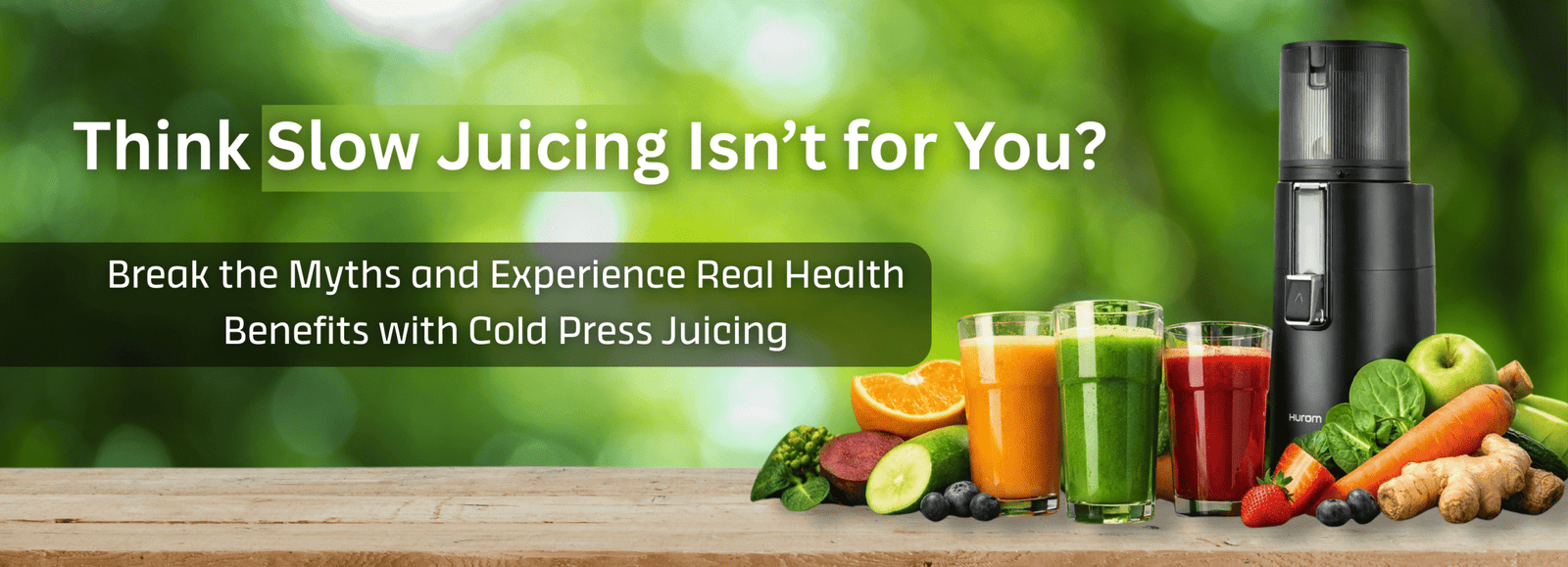
Slow Juicing Myths in India: What’s Holding You Back From Healthier Living Despite India’s long-standing tradition of natural wellness, many households are still hesitant to adopt slow juicing. The reason isn’t lack of awareness—it’s misinformation. Persistent slow juicing myths in India continue to create doubt, delay decisions, and push people toward packaged juices or outdated methods. With lifestyle disorders on the rise and preventive health becoming a priority, slow juicing offers a simple, everyday solution. Yet myths around cold press technology stop people from experiencing its real value. Let’s uncover the truth, break the misconceptions, and help you decide whether slow juicing is the right choice for your family. Why Slow Juicing Is Gaining Attention in India Slow juicing, also known as cold press juicing, extracts juice at a low speed to reduce heat and oxidation. This method preserves natural taste, texture, and nutritional integrity. While it may seem like a modern trend, the philosophy behind it aligns perfectly with traditional Indian wellness—fresh preparation, minimal processing, and balance. Still, slow juicing myths in India prevent many people from taking the first step. If you’ve been unsure, you’re not alone. Myth 1: Slow Juicers Are Not Meant for Indian Ingredients A common belief is that slow juicers only work for Western fruits like berries or celery. This is one of the most misleading slow juicing myths in India. Cold press juicers are actually ideal for Indian produce such as bottle gourd, carrot, beetroot, amla, ginger, turmeric, spinach, pomegranate, and citrus fruits. Their slow extraction handles fibrous ingredients better and delivers smoother, more consistent juice. If your kitchen already has fresh fruits and vegetables, you’re already halfway to slow juicing—no diet change required. Myth 2: Blending or Hand Juicing Gives the Same Results Many households still rely on mixer grinders or manual juicing, believing the outcome is similar. This assumption fuels several cold press juicer myths. Blenders generate heat and introduce air, which can affect freshness and taste. Hand juicing often leaves behind valuable juice in the pulp. Slow juicers focus on gentle extraction, ensuring better yield and longer-lasting freshness. Want to taste the difference yourself? Once you try cold press juice, going back feels like a compromise. Myth 3: Slow Juicers Are Too Expensive for Indian Homes Price is often the biggest barrier. While slow juicers may cost more upfront, this myth ignores long-term value. Higher juice yield means you use less produce. Durable construction means years of reliable performance. When you factor in reduced food waste and lower dependence on packaged beverages, the real slow juicer benefits in India become clear. Think of a slow juicer not as an expense—but as a daily health investment for your entire family. Myth 4: Slow Juicing Takes Too Much Time Another reason people delay buying is the belief that slow juicing is complicated and time-consuming. In reality, modern machines are designed for convenience. Easy assembly, simple cleaning, and efficient extraction mean fresh juice in minutes. Whether it’s part of your morning routine or an evening refreshment, slow juicing fits seamlessly into busy Indian lifestyles. If you have time for tea or coffee, you have time for slow juicing. Myth 5: Slow Juicing Is Only for Weight Loss or Fitness Buffs This myth limits slow juicing to a niche audience. In truth, slow juicing is for everyone—children, working professionals, seniors, and health-conscious families. Fresh, cold press juice is easy to digest and complements Indian meals without replacing them. This misconception remains one of the most common slow juicing myths, yet it couldn’t be further from reality. Slow juicing isn’t a trend—it’s a lifestyle upgrade anyone can adopt. Myth 6: All Slow Juicers Deliver the Same Results Not all machines are created equal. This myth often leads to poor buying decisions and disappointment. Choosing the best slow juicer depends on motor quality, auger design, build materials, and brand support. A well-engineered slow juicer ensures consistent juice quality, smoother texture, and long-term reliability—especially important for Indian fruits and vegetables. The right machine doesn’t just make juice—it makes slow juicing effortless. Real Slow Juicer Benefits  Once myths are removed, the true slow juicer benefits become evident. Slow juicing encourages daily consumption of fresh produce, supports better digestion, and reduces reliance on processed drinks. It also aligns beautifully with traditional Indian wellness practices that prioritize fresh, seasonal ingredients and mindful eating. One glass a day can quietly transform your daily nutrition. Why Slow Juicing Makes Sense for Indian Families India’s wellness philosophy has always focused on prevention rather than cure. Slow juicing supports this approach using modern technology without disrupting traditional food habits. By addressing cold press juicer myths, more households are realizing that slow juicing isn’t a luxury—it’s a practical step toward healthier living. How to Choose the Best Slow Juicer When selecting the best slow juicer, focus on reliability, efficiency, and ease of use rather than just price. A quality slow juicer should handle a wide variety of Indian ingredients and deliver consistent performance every day. Making the right choice once ensures years of satisfaction. Invest once. Benefit daily. Final Thoughts: Don’t Let Myths Decide Your Health The biggest obstacle to better health isn’t lack of options—it’s misinformation. These slow juicing myths have held people back for too long. If you’ve been waiting for the “right time,” the truth is simple: the best time to start is now. Slow juicing doesn’t demand drastic lifestyle changes—just a better way to use what you already eat. Ready to experience the difference of real, fresh juice? Choose the best slow juicer in India and take the first step toward healthier living—one glass at a time.
Read more
Cold Press Juicer Recipes

Easy Cold Pressed Juice Recipes for Beginners

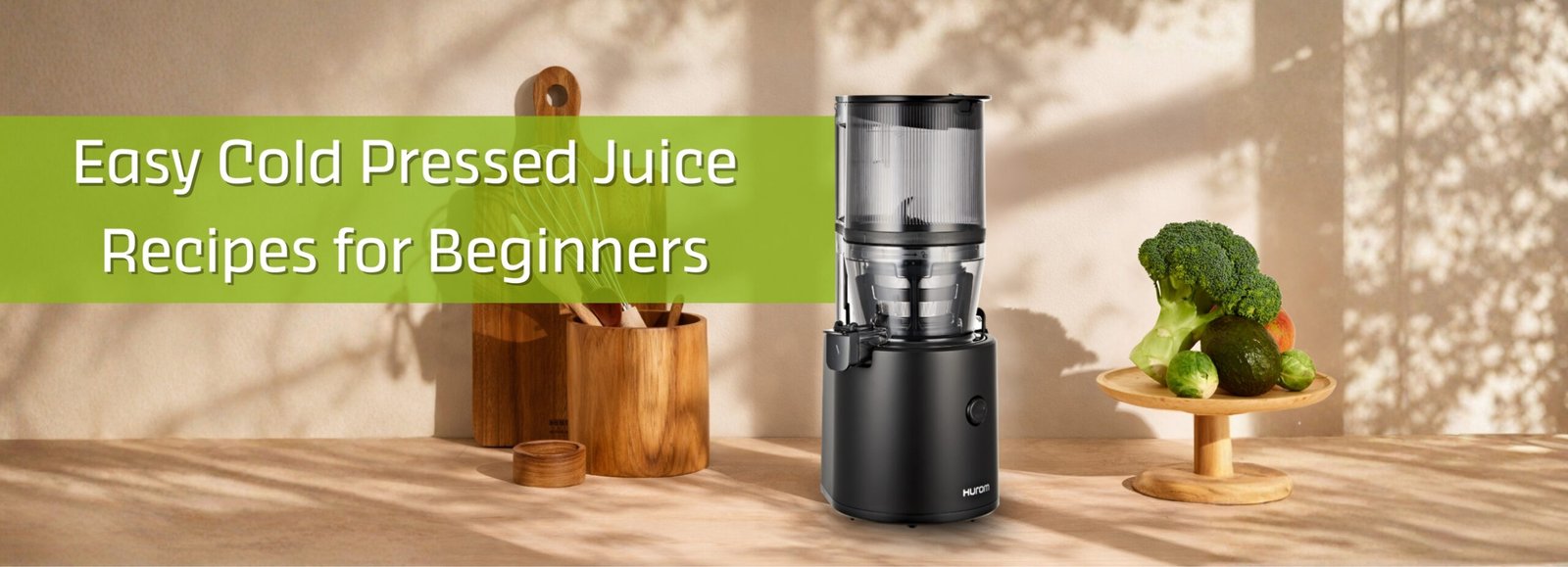
Easy Cold Pressed Juice Recipes for Beginners Starting your juicing journey doesn’t have to be complicated. With a quality cold press juicer, you can prepare nutrient-rich juices in minutes while preserving vitamins, enzymes, and natural taste. If you’re new to juicing, these easy recipes are simple, beginner-friendly, and require minimal ingredients. Plus, each recipe includes nutrition information, who it’s best for, and the ideal time to drink it. Let’s begin. 1. Classic Green Detox Juice Ingredients: 1 cucumber 1 green apple 1 handful spinach ½ lemon Small piece of ginger This is one of the easiest and most popular juices for beginners. It tastes fresh and light, with a slight zing from ginger. Who Should Drink It? People on weight loss journeys Anyone looking for detox support Office workers needing hydration Beginners trying green juice for the first time Best Time to Drink Morning on an empty stomach for maximum nutrient absorption. Nutrition (Approx. per 250ml glass) Calories: 90–110 kcal Protein: 2g Vitamin C: 60–70% of daily requirement Iron: Moderate amount Rich in antioxidants and chlorophyll A slow juicer helps retain delicate nutrients from leafy greens, which are often lost in high-speed juicers. 2. Carrot Orange Immunity Booster Ingredients: 2 carrots 1 orange (peeled) ½ inch turmeric (optional) Small piece of ginger This juice is naturally sweet, vibrant, and very refreshing. Who Should Drink It? Anyone wanting stronger immunity Children (great alternative to packaged juice) People recovering from illness Those with dull skin Best Time to Drink Morning or mid-morning snack. Nutrition (Approx. per 250ml glass) Calories: 120–140 kcal Protein: 2g Vitamin A: Over 200% daily requirement Vitamin C: 70–80% daily requirement High in beta-carotene The slow cold press juicer extracts maximum juice from carrots while preserving heat-sensitive vitamins. 3. Beetroot Energy Juice Ingredients: 1 small beetroot 1 apple 1 carrot ½ lemon This juice has a naturally sweet and earthy flavor. Who Should Drink It? Gym-goers Athletes People with low stamina Anyone feeling tired frequently Best Time to Drink 30–45 minutes before workout or in the morning. Nutrition (Approx. per 250ml glass) Calories: 110–130 kcal Protein: 2–3g Folate: High Iron: Good source Natural nitrates for stamina support Beetroot juice made in a cold press juicer retains natural nitrates, which support better blood flow and endurance. 4. Pineapple Mint Digestive Juice Ingredients: 1 cup pineapple chunks 5–6 mint leaves ½ cucumber This juice is refreshing, slightly sweet, and very light on the stomach. Who Should Drink It? People with digestion issues Those feeling bloated Anyone after a heavy meal Summer hydration seekers Best Time to Drink Afternoon or 30 minutes before meals. Nutrition (Approx. per 250ml glass) Calories: 100–120 kcal Protein: 1g Vitamin C: 80% daily requirement Bromelain enzyme (supports digestion) Because a slow juicer works at low RPM, it preserves digestive enzymes like bromelain found in pineapple. 5. Apple Celery Weight Management Juice Ingredients: 1 green apple 1 celery stalk ½ cucumber Few drops lemon Light, crisp, and very hydrating. Who Should Drink It? People on calorie-controlled diets Anyone reducing sugar intake Those managing water retention Beginners wanting a mild juice Best Time to Drink Morning or early evening. Nutrition (Approx. per 250ml glass) Calories: 80–100 kcal Protein: 1–2g Potassium: Good source High water content for hydration This juice is low in calories but rich in minerals, making it ideal for weight-conscious individuals. Why Use a Cold Press Juicer for These Recipes? When preparing these easy juices, the type of juicer matters. A cold press juicer: Extracts more juice from fruits and vegetables Produces less heat, preserving nutrients Minimizes oxidation Gives smoother juice texture Works efficiently with leafy greens Unlike high-speed juicers, a slow juicer crushes and presses ingredients gently, which helps maintain nutritional quality. Helpful Beginner Tips If you’re just starting: Wash and prep ingredients in advance. Alternate soft and hard ingredients while juicing. Drink juice fresh for maximum benefits. Start with sweeter combinations before trying strong green juices. Clean your juicer immediately after use for easy maintenance. Consistency matters more than complexity. Even one glass daily can support hydration, nutrient intake, and overall wellness — especially when you choose to buy online cold press juicer options designed for long-term health benefits.
Read more

Cold Press Juicer vs Centrifugal Juicer: Which Is Better for Healthy Juice at Home?

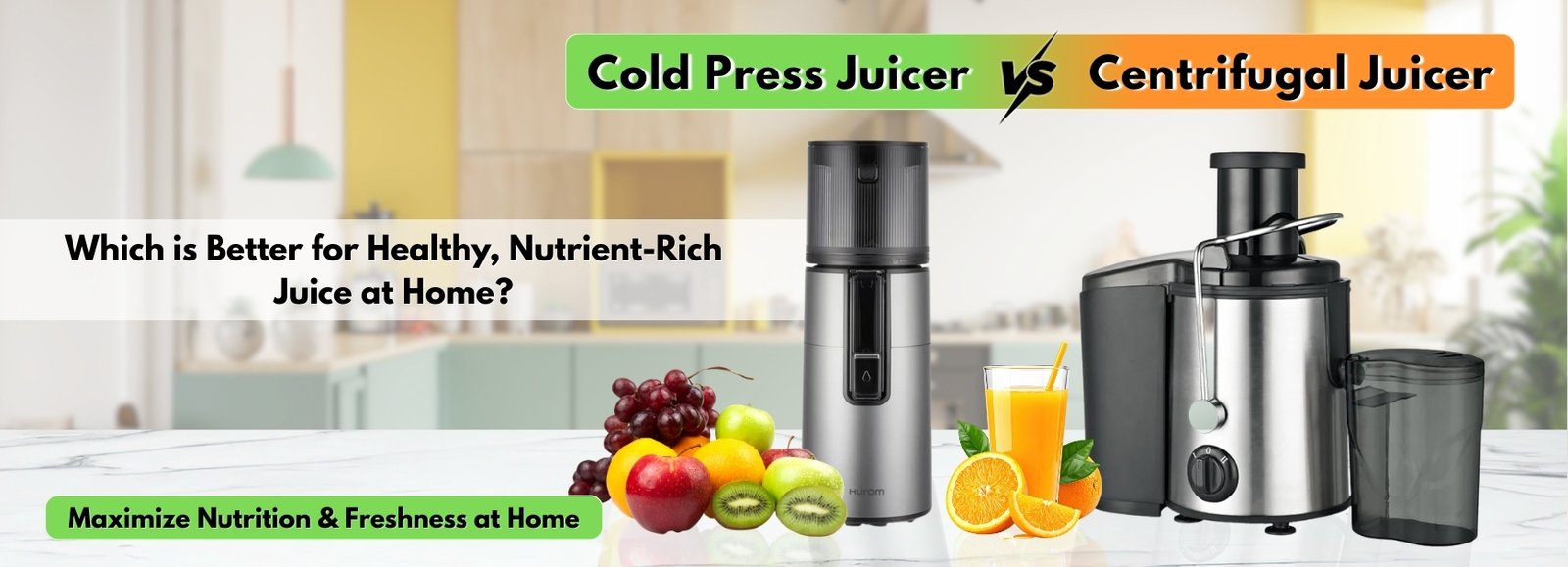
Cold Press Juicer vs Centrifugal Juicer: Which Is Better for Healthy Juice at Home? In today’s fast-paced professional life, health often becomes a secondary priority. Long work hours, screen fatigue, irregular meals, and stress make it difficult to maintain optimal nutrition. That’s why more health-conscious professionals are turning to fresh homemade juice as a simple yet powerful way to support energy, immunity, and overall well-being. But when it comes to choosing the right juicer for home, one question dominates the conversation:  Cold press juicer vs centrifugal juicer — which is better for healthy juice at home? While both appliances extract juice, the technology, nutritional impact, and long-term value are vastly different. This guide breaks down the differences clearly, helping you make an informed choice that aligns with your health goals, time constraints, and lifestyle. Why Juicing Matters for Busy Professionals Fresh juice is one of the easiest ways to consume essential vitamins, minerals, antioxidants, and enzymes—especially when cooking balanced meals daily isn’t always possible. For professionals juggling meetings, deadlines, and personal commitments, juicing offers: Quick nutrient absorption Easy digestion A convenient alternative to processed snacks Support for immunity, gut health, and sustained energy However, the quality of juice depends entirely on the juicer you use. Understanding the Two Juicer Types What Is a Centrifugal Juicer? A centrifugal juicer uses high-speed spinning blades to shred fruits and vegetables. The juice is then separated from pulp using centrifugal force. Operates at very high speeds (6,000–14,000 RPM) Commonly found in entry-level or budget juicers Fast juice extraction What Is a Cold Press Juicer? A cold press juicer (also known as a slow juicer or masticating juicer) uses a slow-rotating auger to gently crush and press produce. Operates at low speeds (40–80 RPM) Minimal heat and oxidation Designed to preserve nutrients Cold Press Juicer vs Centrifugal Juicer: Quick Comparison Table Feature Cold Press Juicer (Slow Juicer) Centrifugal Juicer Operating Speed 40–80 RPM (slow) 6,000–14,000 RPM (fast) Nutrient Retention Very high (preserves vitamins, enzymes, antioxidants) Moderate to low (heat can degrade nutrients) Juice Quality Smooth, full-bodied, less foam Thin, more foam, separates quickly Juice Yield High (drier pulp, less waste) Lower (more juice left in pulp) Leafy Greens & Fibrous Veggies Excellent (spinach, kale, methi, carrots) Poor to moderate (requires extra effort) Oxidation & Shelf Life Juice lasts 24–48 hours refrigerated Must consume immediately Noise Level Quiet operation Loud, disruptive Ease of Cleaning Moderate (parts need rinsing, often dishwasher-safe) Easy, fewer parts Speed of Juice Extraction Slower (but higher yield per batch) Very fast Best For Health-focused daily juice, detox, nutrient retention Occasional juice, budget-friendly, soft fruits If your goal is daily nutrition, detox, and maximum health benefits, a cold press juicer is the smarter choice despite being slightly slower. Key Advantages of Cold Press Juicers Better Nutrition & Higher Juice Yield Cold press juicers extract juice at low speeds, reducing heat and oxidation. This preserves essential vitamins, minerals, enzymes, and antioxidants. You also get more juice per fruit or vegetable with less waste, which is ideal for expensive or seasonal produce. Excellent for Leafy Greens & Hard Produce Unlike centrifugal juicers, cold press juicers handle fibrous vegetables, leafy greens, and hard fruits effortlessly. This makes them perfect for green detox juices, immunity blends, and nutrient-rich morning drinks. Quiet & Less Foam Low-speed extraction ensures quiet operation with minimal foam. Busy professionals can make juice early in the morning without disturbing family members or roommates. Fresh Juice That Lasts Longer Cold-pressed juice can stay fresh in the refrigerator for up to 48 hours, allowing for prep-ahead routines—ideal for professionals with limited mornings. Cost Consideration: Short-Term vs Long-Term Value Centrifugal juicers are usually cheaper upfront. However: Lower juice yield increases ingredient cost Faster wear and tear Limited use beyond soft fruits Cold press juicers may have a higher initial investment, but they offer: Better durability Lower produce wastage Multi-purpose use (juice, nut milk, sorbet) For professionals who view health as an investment, cold press juicers deliver superior long-term value. Conclusion Centrifugal juicers may suit occasional users, but for daily juice, wellness routines, and busy professionals, they fall short in nutrition, versatility, and quality. Elevate your health and simplify your wellness routine with a premium cold press juicer designed for modern professionals. Enjoy café-quality juice at home, preserve nutrients, and stay energized throughout your busy day. If you’re ready to upgrade your lifestyle, now is the perfect time to buy a cold press juicer that delivers superior nutrition, smoother texture, and long-term durability. Discover our range of premium cold press juicers today and transform the way you juice at home. Your health deserves more than speed—it deserves quality.
Read more