
Slow Juicing Myths in India: What’s Holding You Back From Healthier Living
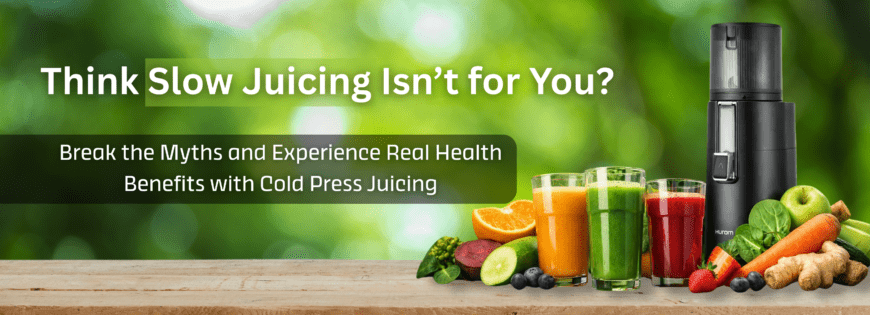
Despite India’s long-standing tradition of natural wellness, many households are still hesitant to adopt slow juicing. The reason isn’t lack of awareness—it’s misinformation. Persistent slow juicing myths in India continue to create doubt, delay decisions, and push people toward packaged juices or outdated methods.
With lifestyle disorders on the rise and preventive health becoming a priority, slow juicing offers a simple, everyday solution. Yet myths around cold press technology stop people from experiencing its real value. Let’s uncover the truth, break the misconceptions, and help you decide whether slow juicing is the right choice for your family.
Why Slow Juicing Is Gaining Attention in India
Slow juicing, also known as cold press juicing, extracts juice at a low speed to reduce heat and oxidation. This method preserves natural taste, texture, and nutritional integrity. While it may seem like a modern trend, the philosophy behind it aligns perfectly with traditional Indian wellness—fresh preparation, minimal processing, and balance.
Still, slow juicing myths in India prevent many people from taking the first step. If you’ve been unsure, you’re not alone.
Myth 1: Slow Juicers Are Not Meant for Indian Ingredients
A common belief is that slow juicers only work for Western fruits like berries or celery. This is one of the most misleading slow juicing myths in India.
Cold press juicers are actually ideal for Indian produce such as bottle gourd, carrot, beetroot, amla, ginger, turmeric, spinach, pomegranate, and citrus fruits. Their slow extraction handles fibrous ingredients better and delivers smoother, more consistent juice.
If your kitchen already has fresh fruits and vegetables, you’re already halfway to slow juicing—no diet change required.
Myth 2: Blending or Hand Juicing Gives the Same Results
Many households still rely on mixer grinders or manual juicing, believing the outcome is similar. This assumption fuels several cold press juicer myths.
Blenders generate heat and introduce air, which can affect freshness and taste. Hand juicing often leaves behind valuable juice in the pulp. Slow juicers focus on gentle extraction, ensuring better yield and longer-lasting freshness.
Want to taste the difference yourself? Once you try cold press juice, going back feels like a compromise.
Myth 3: Slow Juicers Are Too Expensive for Indian Homes
Price is often the biggest barrier. While slow juicers may cost more upfront, this myth ignores long-term value. Higher juice yield means you use less produce. Durable construction means years of reliable performance.
When you factor in reduced food waste and lower dependence on packaged beverages, the real slow juicer benefits in India become clear.
Think of a slow juicer not as an expense—but as a daily health investment for your entire family.
Myth 4: Slow Juicing Takes Too Much Time
Another reason people delay buying is the belief that slow juicing is complicated and time-consuming. In reality, modern machines are designed for convenience.
Easy assembly, simple cleaning, and efficient extraction mean fresh juice in minutes. Whether it’s part of your morning routine or an evening refreshment, slow juicing fits seamlessly into busy Indian lifestyles.
If you have time for tea or coffee, you have time for slow juicing.
Myth 5: Slow Juicing Is Only for Weight Loss or Fitness Buffs
This myth limits slow juicing to a niche audience. In truth, slow juicing is for everyone—children, working professionals, seniors, and health-conscious families.
Fresh, cold press juice is easy to digest and complements Indian meals without replacing them. This misconception remains one of the most common slow juicing myths, yet it couldn’t be further from reality.
Slow juicing isn’t a trend—it’s a lifestyle upgrade anyone can adopt.
Myth 6: All Slow Juicers Deliver the Same Results
Not all machines are created equal. This myth often leads to poor buying decisions and disappointment. Choosing the best slow juicer depends on motor quality, auger design, build materials, and brand support.
A well-engineered slow juicer ensures consistent juice quality, smoother texture, and long-term reliability—especially important for Indian fruits and vegetables.
The right machine doesn’t just make juice—it makes slow juicing effortless.
Real Slow Juicer Benefits
Once myths are removed, the true slow juicer benefits become evident. Slow juicing encourages daily consumption of fresh produce, supports better digestion, and reduces reliance on processed drinks.
It also aligns beautifully with traditional Indian wellness practices that prioritize fresh, seasonal ingredients and mindful eating.
One glass a day can quietly transform your daily nutrition.
Why Slow Juicing Makes Sense for Indian Families
India’s wellness philosophy has always focused on prevention rather than cure. Slow juicing supports this approach using modern technology without disrupting traditional food habits.
By addressing cold press juicer myths, more households are realizing that slow juicing isn’t a luxury—it’s a practical step toward healthier living.
How to Choose the Best Slow Juicer
When selecting the best slow juicer, focus on reliability, efficiency, and ease of use rather than just price. A quality slow juicer should handle a wide variety of Indian ingredients and deliver consistent performance every day.
Making the right choice once ensures years of satisfaction.
Invest once. Benefit daily.
Final Thoughts: Don’t Let Myths Decide Your Health
The biggest obstacle to better health isn’t lack of options—it’s misinformation. These slow juicing myths have held people back for too long.
If you’ve been waiting for the “right time,” the truth is simple: the best time to start is now. Slow juicing doesn’t demand drastic lifestyle changes—just a better way to use what you already eat.
Ready to experience the difference of real, fresh juice? Choose the best slow juicer in India and take the first step toward healthier living—one glass at a time.